SmartShift portable home being delivered by crane
Home/Council Approval

Council approval,
made clear.

Approval rules for portable homes vary across Australia. This guide explains the two main pathways, what applies in your state, and how SmartShift can manage the process for you.
Act 1 The setup

Going temporary? Going permanent? We've got you covered.

Whichever pathway you take, a council either has the right documents in front of them or they don't. Everything below is how we make sure yours do.

Pathway A · Caravan
Caravan classification.
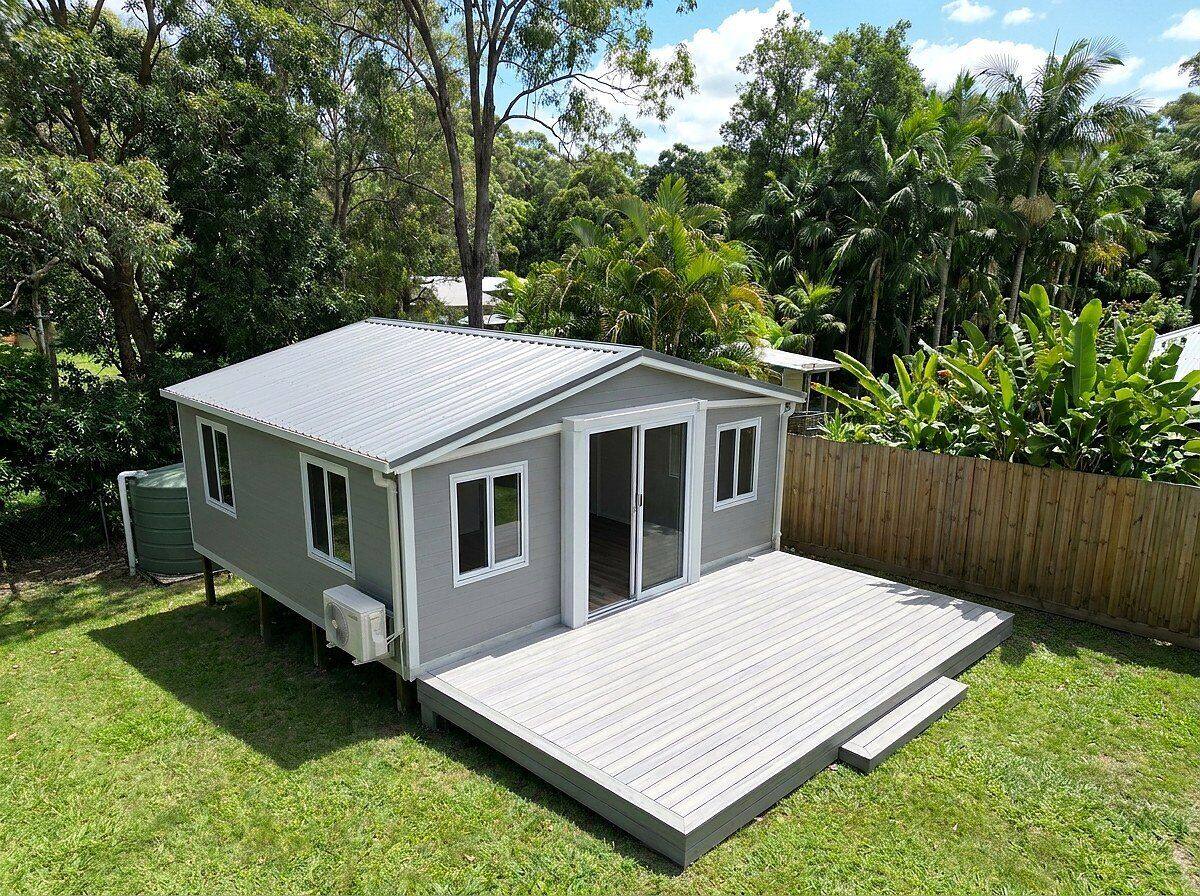
Built on a road-ready trailer with services that disconnect. Council reads it as a vehicle, not a building — so you skip the building permit, usually skip the DA, and skip the council waiting line entirely. By far the fastest and cheapest way to get a home on your block.
Best forAnyone wanting on the block fast
ApprovalCouncil notification, often nothing more
SetupCheaper, faster, no council queue
Pathway B · Class 1A
Class 1A dwelling.
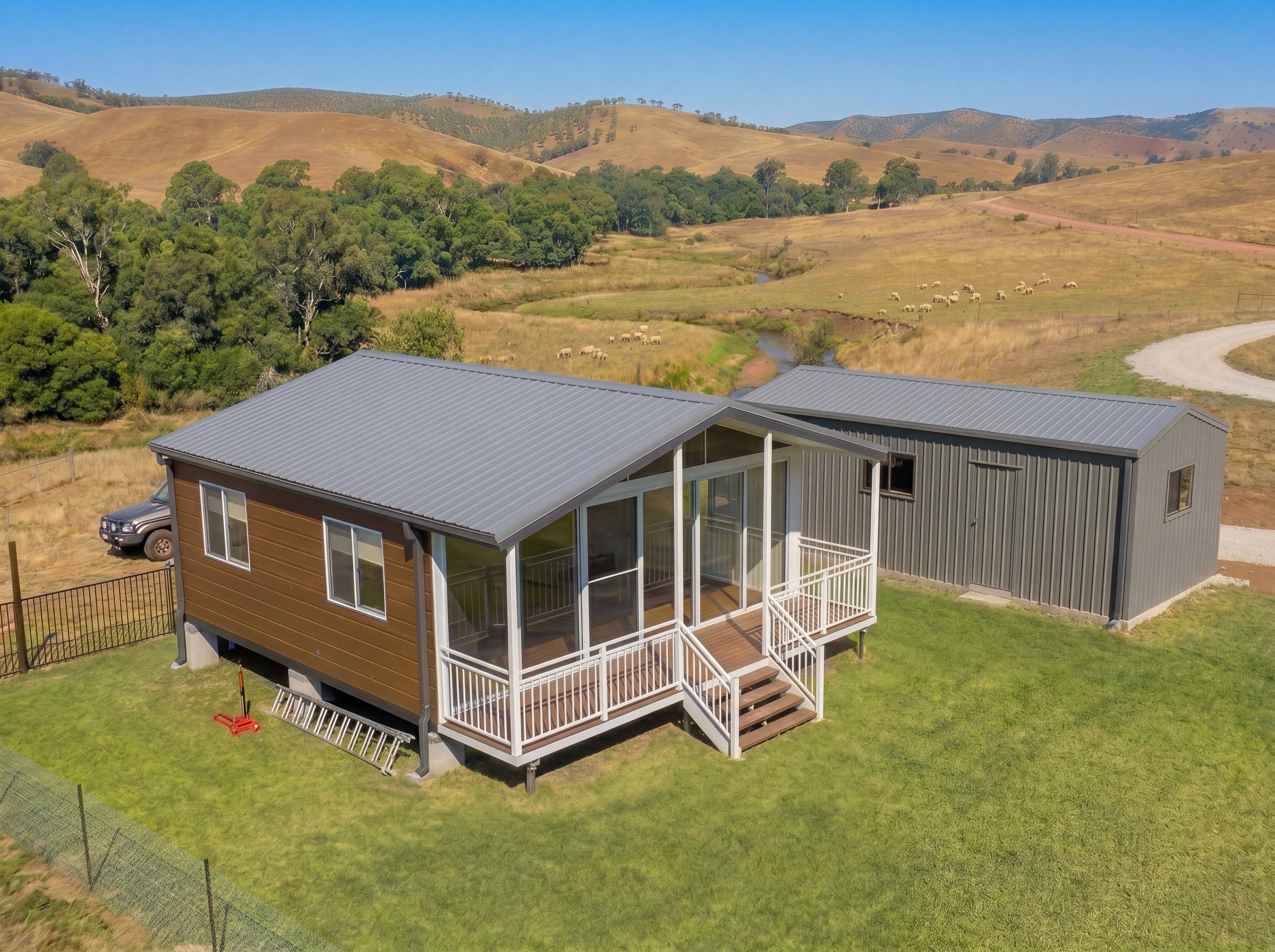
Bolted to footings, plumbed in for good. Counts as a proper dwelling under the building code — building permit on the way in, Certificate of Occupancy on the way out. The set-and-forget option.
Best forLong-term living, granny flats, second residence
ApprovalDA + building permit + final inspection
StandardsNCC Class 1A · AS/NZS 1170 · 7-star NatHERS
Act 3 The delivery

Whichever you pick, we get it done.

Each route comes with its own paperwork. We sort the lot — the home turns up with everything a council, surveyor or insurer needs to see.

Pathway A · Caravan
No council queue. Faster, cheaper, on your block.
Built on a road-legal trailer with proper lights and brakes. Services disconnect, so council reads it as a vehicle — no building permit, no DA wait. Cheaper to set up and you're on the ground in a fraction of the time.
VSB1 trailer & ADR-compliant lighting
AS/NZS 3001 caravan electrical certificate
WaterMark plumbing on detachable services
Registrable trims with state numberplate ready
Pathway B · Class 1A
Engineered, certified, surveyor-ready on day one.
Engineered for your site's wind rating, hits 7-star NatHERS, fixed-wired to the building code, and the stamps come with it. Hand it to a surveyor and the file is complete.
Stamped structural & tie-down design
7-star NatHERS energy assessor's report
AS/NZS 3000 fixed wiring with electrical certificate
CDC from registered building surveyor
BAL fire-rating certificate (if required)
Manufacturer's NCC statement of compliance

Want to discuss your options with our team?

Half an hour on the phone, no commitment. We'll look at your block, walk through the pathway that suits, and give you a straight answer on what it'll take.

Act 4 Where you stand

How your state stacks up.

Rules change a lot between states, and even between councils within the same state. So treat this as a rough starting point — and always check locally before you commit.

Western Australia
Most flexible
Since the September 2024 reform, councils can sign off caravan-classified placements on private land for up to 24 months — and renew. Granny flats under 70m² also dropped the planning approval step back in April 2024 (building permit only, no minimum lot size). Easiest state in the country to get a portable home onto your block right now.
New South Wales
Blanket exemption
NSW has a state-wide exemption that lets a caravan be used as ancillary accommodation by a household member without council approval (Local Government Act, Section 68). For granny flats, you can usually skip the DA via a Complying Development Certificate as long as your block is at least 450m². One of the friendlier states for portables.
Queensland
Varies by council
Most QLD councils will let a caravan sit on private land short-term — typically a few weeks to a few months — but anything permanent triggers a Development Application. Secondary dwellings almost always need a DA too. Rules swing significantly between local government areas, so always ring your council before you commit.
Victoria
Varies by council
In Victoria, caravan use beyond short stays needs council sign-off in most LGAs. Granny flats almost always need a planning permit, though a few shires (Hepburn for one) allow tiny homes without one if you've already got a primary dwelling on the block. Check your local planning scheme — they're not all the same.
South Australia
Recently opened up
SA recently changed the rules so anyone can lease out ancillary accommodation, not just family members — a real shift for investors. The trade-off is you still need both planning and building approval for anything permanent. Caravans on private land are fine short-term but ongoing use needs council consent.
TAS · NT · ACT
Check locally
Tasmania allows ancillary dwellings up to 60m² in most planning zones. The Northern Territory permits independent units up to 75m² in certain areas with a building permit. The ACT requires a DA for any secondary residence on a residential block. All three are still evolving — check the latest before you commit.
Disclaimer: This page provides general guidance only and is not legal or planning advice. Approval requirements vary significantly by location, site conditions, and intended use. Always verify requirements with your local council and seek professional planning advice where needed. Information reflects rules as of April 2026 and may have changed.
Get started today

Ready to make
the move?

Tell us about your site and we'll recommend the right model, size, and layout — with a prompt, no-obligation quote.

No obligation
Prompt response
Fast lead times
Delivered fully built